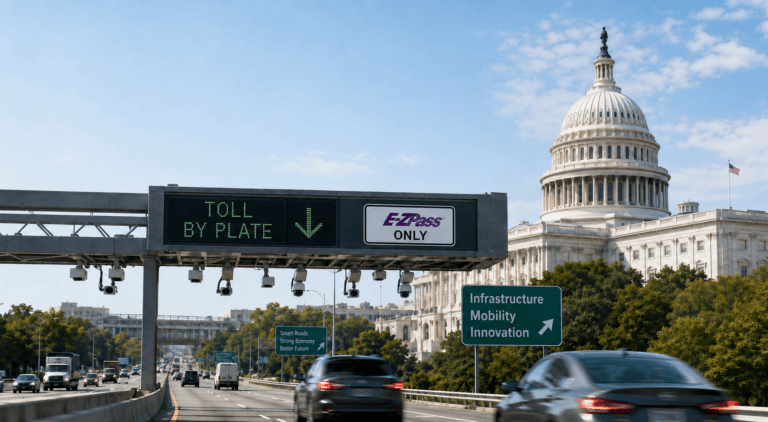

Tolling operations are no longer just about collecting revenue—they’re about delivering a seamless, safe, and efficient experience for travelers while optimizing agency operations.
With advances in predictive analytics, AI, dynamic tolling, and mobile payment solutions, agencies can now anticipate congestion, reduce delays, and provide personalized services. These changes are critical in a world where customer expectations are shaped by instant, convenient digital experiences.
This post explores modern strategies for toll operations, technology adoption, and customer experience enhancements for 2026.
Predictive Analytics in Toll Operations
Predictive analytics uses historical and real-time data to forecast traffic patterns and optimize lane management.
Key Benefits
- Reduced Congestion: Anticipate and prevent bottlenecks before they occur.
- Optimized Staffing: Adjust lane staffing based on projected traffic volume.
- Revenue Optimization: Dynamic tolling aligns price with demand to maximize collection.
Example: California Express Lanes
Using predictive analytics, California express lanes adjust toll rates every five minutes, balancing congestion management and revenue collection while improving travel times for commuters.
Enhancing Customer Experience
Modern toll agencies focus on frictionless interactions to improve traveler satisfaction.
Strategies
- Mobile Payment Integration: Apps for toll payments reduce the need for cash and physical transponders.
- Automated Customer Support: AI chatbots handle billing questions, payment issues, and dispute resolution.
- Proactive Notifications: Alerts for unpaid tolls, traffic delays, or lane closures keep drivers informed.
- Flexible Billing Options: Monthly or quarterly billing, subscription passes, and toll credits.
Result: Travelers experience faster, more predictable trips, and agencies reduce administrative burden.
Case Study: Texas Tolling Authority
Texas introduced a mobile-first toll payment platform with automated notifications and integrated customer support, resulting in a 30% decrease in call center volume and higher on-time payments.
Dynamic Tolling and Lane Optimization
Dynamic tolling adjusts prices based on traffic flow, time of day, or congestion levels. Combined with lane optimization, agencies can:
- Maintain free-flowing traffic during peak periods
- Encourage off-peak travel
- Reduce wear-and-tear on heavily used lanes
- Increase overall operational efficiency
Technology Requirements
- Traffic sensors and ITS for real-time monitoring
- AI algorithms to determine optimal pricing
- Digital signage to communicate toll rates to drivers
Reducing Operational Costs with Automation
Automation can cut costs while improving service:
- License Plate Recognition (LPR): Reduces manual enforcement and errors.
- Electronic Toll Collection (ETC): Eliminates cash handling and physical toll booths.
- Self-Service Kiosks: Allow drivers to manage accounts, payments, and violations independently.
Automation also supports sustainability goals by reducing vehicle idling at toll plazas and minimizing staffing requirements.
Real-Time Customer Insights
Data collected from toll transactions, mobile apps, and vehicle sensors enables agencies to understand traveler behaviorand make informed operational decisions:
- Identify peak travel times and congestion patterns
- Tailor customer communication and support
- Evaluate lane performance and optimize resource allocation
Example: Florida Turnpike
Florida Turnpike monitors toll data to predict maintenance needs, anticipate traffic spikes, and improve customer service across multiple toll corridors.
Integrating Technology Across the Enterprise
To maximize the benefits of modern toll operations, agencies should integrate technology across functions:
- Operations: Lane management, traffic monitoring, dynamic tolling
- Finance: Automated billing, reporting, and revenue forecasting
- Customer Experience: Apps, notifications, and support services
- Policy Compliance: Enforcement of congestion pricing, low-emission zones, and toll violations
Integration ensures that data flows seamlessly, enabling faster decisions and a more consistent customer experience.
Actionable Steps for Toll Agencies
- Deploy Predictive Analytics: Use historical and real-time data to optimize lanes and staffing.
- Implement Dynamic Tolling: Adjust pricing to manage congestion and maximize revenue.
- Invest in Customer-Facing Technology: Mobile payments, automated support, and notifications.
- Automate Operations Where Possible: LPR, ETC, and kiosks reduce costs and errors.
- Monitor and Iterate: Continuously analyze operational and customer data for improvements.