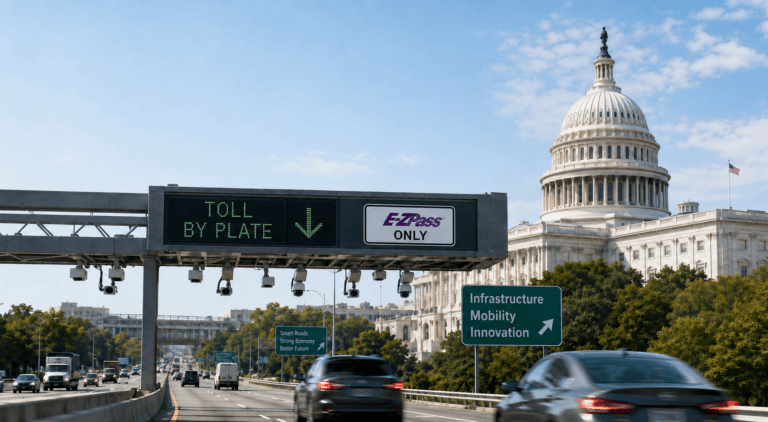
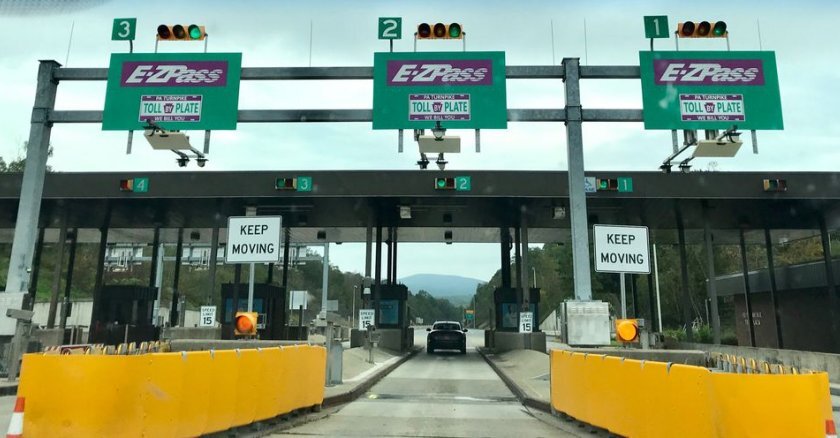
The tolling industry is undergoing a technological revolution. Traditional tolling focused on manual operations and fixed-rate tolls, but AI, predictive analytics, and smart tolling systems are changing the game.
Agencies now have the ability to anticipate congestion, optimize revenue, and deliver seamless customer experiences, all while managing infrastructure costs and improving safety. This post explores the latest innovations in toll technology, how AI is applied, and what the future holds for 2026 and beyond.
Predictive Tolling: How It Works
Predictive tolling uses data, machine learning, and AI algorithms to forecast traffic congestion and dynamically adjust toll rates. Key components include:
- Traffic Sensors & ITS Data: Real-time lane and traffic flow monitoring.
- Machine Learning Models: Predicting congestion patterns based on historical and live data.
- Dynamic Pricing Algorithms: Adjust tolls in real-time to maintain optimal traffic flow.
Benefits for Agencies:
- Reduced congestion during peak hours
- Optimized lane utilization
- Increased revenue capture
- Better planning for maintenance and operations
Case Study: California Express Lanes
California’s express lanes use predictive tolling to adjust rates every five minutes based on traffic density, resulting in faster travel times and more predictable revenue streams. This real-world example demonstrates the potential of AI in modern tolling.
AI in Customer Service
Artificial intelligence is also transforming the driver experience. Toll agencies are adopting:
- Chatbots and Virtual Assistants: Automate billing inquiries, dispute resolution, and FAQ support.
- Predictive Notifications: Alerts for unpaid tolls, system outages, and route suggestions.
- Personalized Communication: Messaging tailored to travel patterns or customer history.
Generative AI allows agencies to handle more customer interactions without increasing staffing, reducing friction and enhancing public trust.
Next-Gen Tolling Systems
Beyond AI, technology is modernizing the physical tolling infrastructure:
- Gantry-Less Tolling: GPS and smartphone-based toll collection eliminates large gantries.
- License Plate Recognition: High-accuracy cameras reduce enforcement costs.
- Open-Road Tolling: Vehicles no longer need to stop, improving traffic flow and safety.
Benefits of Modern Systems
- Lower infrastructure costs
- Faster transactions
- Reduced traffic bottlenecks
- Integration with other smart city mobility systems
Reinforcement Learning for Dynamic Pricing
Reinforcement learning (RL) is a subset of AI that learns optimal pricing strategies over time:
- Observes traffic patterns and revenue outcomes
- Adjusts toll prices in real-time for maximum efficiency
- Reduces congestion while maximizing lane usage
RL-powered tolling can autonomously balance traffic flow, revenue, and customer satisfaction, a key advancement for 2026.
Implementation Challenges
Adopting predictive tolling and AI isn’t without hurdles:
- Legacy System Integration: Older toll systems may require significant upgrades.
- Data Quality and Availability: Accurate predictions require clean, reliable data.
- Privacy and Security: Handling vehicle and driver data securely is critical.
- Staff Training: Employees must adapt to AI-assisted operations.
- Budget Constraints: Upfront costs for sensors, software, and AI platforms.
International Technology Innovations
Global examples highlight the transformative potential of technology:
- Singapore: Uses AI-driven congestion pricing to dynamically manage urban traffic.
- London: Smart cameras enforce congestion pricing and low-emission zones.
- Sweden: Real-time toll adjustments reduce downtown congestion and emissions.
Agencies can adapt these innovations to local conditions, accelerating modernization while mitigating risk.
Actionable Steps for Toll Agencies
- Invest in Data Infrastructure: Sensors, ITS, and clean datasets enable predictive analytics.
- Pilot AI Solutions: Start with small predictive tolling or chatbot programs to measure ROI.
- Integrate with Mobile Platforms: Offer app-based payments, notifications, and dynamic updates.
- Train Staff: Provide hands-on experience with AI tools to optimize adoption.
- Communicate Benefits: Share results with the public to increase trust and compliance.