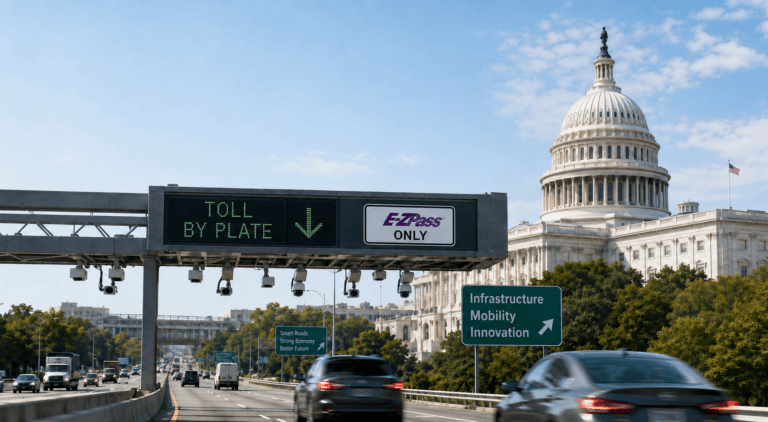
Urban transportation is at a crossroads. Cities worldwide are implementing congestion pricing, low-emission zones, and dynamic tolling to reduce traffic, improve air quality, and fund public transit.
Tolling agencies must adapt to these policy-driven changes to remain effective and equitable. Beyond revenue generation, agencies must consider equity, sustainability, and public perception while integrating technology and operations into a cohesive urban mobility framework.
This post explores current trends, policy impacts, technology integration, and actionable steps for tolling agencies navigating urban mobility challenges in 2026.
The Rise of Congestion Pricing
Congestion pricing charges drivers for entering high-traffic urban areas during peak times. This system aims to:
- Reduce traffic volumes
- Encourage public transportation usage
- Improve air quality and reduce emissions
- Generate funding for infrastructure and transit
Case Study: New York City
NYC’s congestion pricing pilot demonstrated:
- A 12% reduction in downtown traffic during peak hours
- Increased usage of subway and bus systems
- Revenue generation exceeding projected targets
Case Study: London
London’s Ultra Low Emission Zone (ULEZ) combined congestion charges with emissions standards, resulting in:
- Lower nitrogen oxide (NOx) levels
- Increased adoption of low-emission vehicles
- Positive public feedback when benefits were clearly communicated
Equity Considerations
While congestion pricing is effective, agencies must address equity concerns:
- Low-income drivers may be disproportionately affected
- Rural commuters need fair treatment if required to travel through urban zones
- Access to alternative transit options is essential
Strategies to Ensure Equity
- Discounts or exemptions for low-income residents
- Investment in public transit alternatives
- Transparent communication about where revenue is used
- Flexible pricing structures that adapt to time, location, and vehicle type
Low-Emission Zones and Environmental Goals
Cities are increasingly combining congestion pricing with low-emission zones (LEZs) to reduce pollution:
- Restricting high-emission vehicles in certain areas
- Offering incentives for EVs and hybrid vehicles
- Integrating LEZs with dynamic tolling for congestion management
Benefits:
- Reduced particulate matter and greenhouse gas emissions
- Encouragement of sustainable urban mobility
- Alignment with environmental policy goals
International Examples
- Stockholm: Congestion pricing reduced downtown traffic and carbon emissions while funding public transit improvements.
- Singapore: Dynamic pricing combined with LEZs optimized traffic and reduced air pollution.
- Germany: Distance-based tolls for trucks incentivize off-peak travel and low-emission vehicles.
Technology’s Role in Policy Implementation
Modern urban mobility policy relies heavily on data, sensors, and digital platforms:
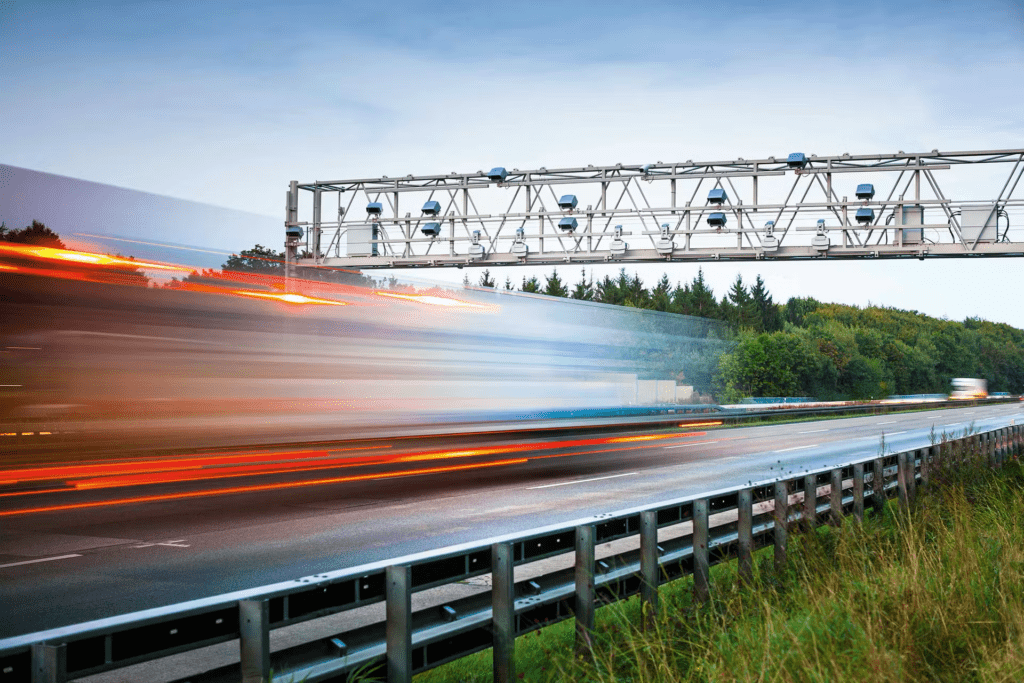
- Automatic Number Plate Recognition (ANPR): Enforces zone entry restrictions without physical barriers.
- Mobile Payment Apps: Simplify toll payments and fines for drivers.
- AI-Powered Traffic Analytics: Predicts congestion and recommends policy adjustments.
Agencies that integrate technology can monitor compliance, adjust pricing dynamically, and report results transparently, increasing public trust.
Dynamic Tolling and Urban Mobility Integration
Dynamic tolling adapts rates based on traffic volume, time of day, or demand in real-time. When combined with congestion pricing and LEZs, it can:
- Reduce bottlenecks
- Maximize revenue
- Align incentives with policy goals
Case Study: Singapore Expressways
- Toll rates fluctuate every 5–15 minutes based on traffic sensors
- Reduces congestion during peak hours
- Supports revenue streams for public transit infrastructure
Funding and Policy Alignment
Revenue from congestion pricing and LEZs can be reinvested in:
- Public transportation expansion
- Bicycle and pedestrian infrastructure
- Roadway maintenance
- EV charging networks
Transparent allocation of funds increases public acceptance and supports long-term sustainability.
Actionable Steps for Toll Agencies
- Assess Local Traffic Patterns: Understand congestion hotspots and peak periods.
- Engage Stakeholders Early: Communicate with residents, businesses, and local government.
- Implement Equitable Pricing: Include exemptions, discounts, and alternative options.
- Invest in Technology: ANPR, AI analytics, and mobile payments streamline enforcement.
- Monitor & Adjust Policies: Use real-time data to adapt pricing and policy decisions.