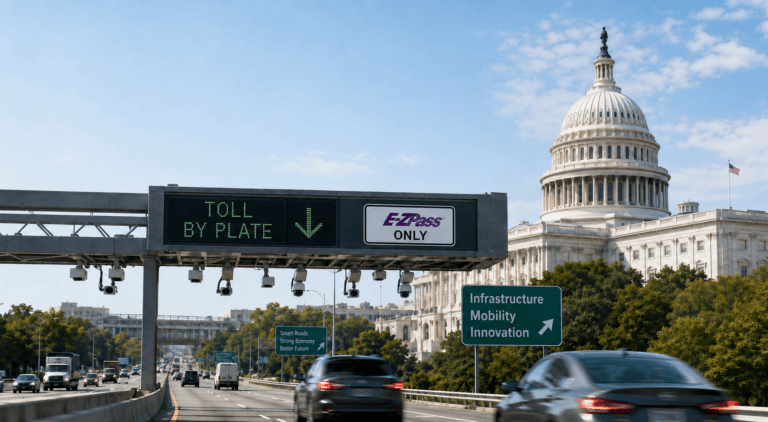
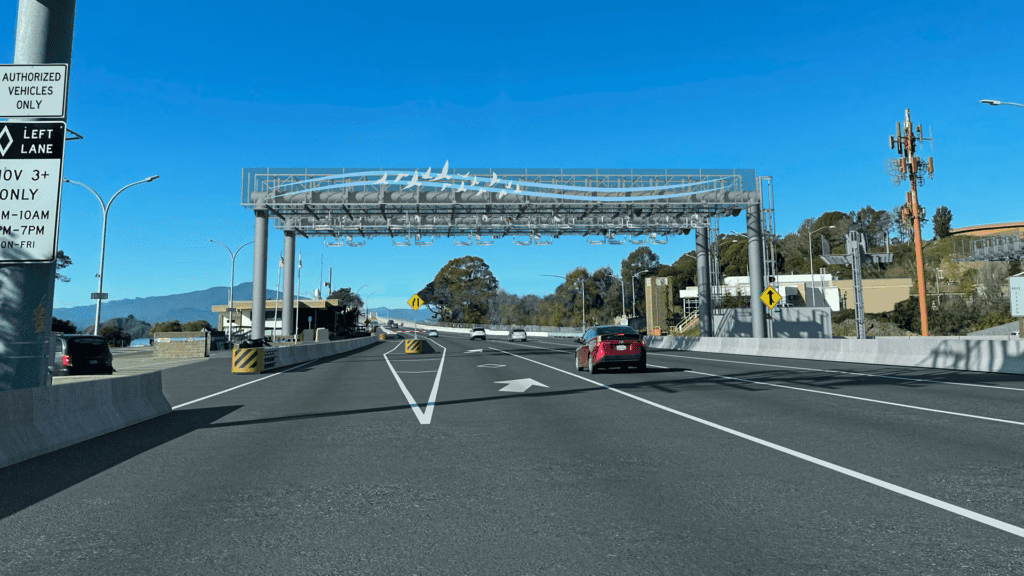
The tolling industry in 2026 is at a pivotal moment. Declining fuel tax revenues, rising electric vehicle adoption, and technological disruption are forcing agencies to rethink their approach to operations, customer experience, and revenue collection. No longer merely infrastructure operators, tolling agencies are becoming technology-driven mobility providers, integrating AI, predictive analytics, and smart tolling systems to stay ahead of the curve.
This post explores key trends shaping the industry, what agencies must prioritize, and the emerging role of customer experience in modern tolling operations.
From Infrastructure to Intelligent Systems
Historically, tolling performance was measured by:
- Gantry uptime
- Lane throughput
- Enforcement rates
In 2026, success metrics have evolved to include:
- Real-time data accuracy
- Predictive congestion management
- Seamless digital payments
- Customer satisfaction
Smart tolling systems now integrate:
- Intelligent Transportation Systems (ITS)
- License plate recognition
- Machine learning models
- Dynamic toll pricing algorithms
This integration allows agencies to transition from reactive traffic management to proactive optimization, improving both throughput and revenue capture.
Revenue Pressure and EV Impact
The rise of electric vehicles is eroding traditional fuel tax revenue, creating a funding gap for highways and toll operations. Agencies are responding with strategies including:
- Road Usage Charging (RUC) and Mileage-Based User Fees (MBUF)
- Dynamic toll pricing models
- Enhanced toll revenue analytics
These measures ensure long-term financial sustainability and prevent service disruption, while accommodating the shift in transportation habits.
The Role of AI and Predictive Tolling
Artificial intelligence is no longer optional — it is core to operational efficiency. AI applications include:
- Predicting congestion and traffic flow 30–60 minutes in advance
- Optimizing dynamic toll pricing based on live conditions
- Predicting maintenance needs before failures occur
- Automating customer service with chatbots and generative AI
Reinforcement learning algorithms allow toll rates to adjust dynamically, reducing bottlenecks and maximizing lane utilization.
Modern Customer Experience in Tolling
Public tolerance for friction has dropped. Drivers expect:
- Instant invoice notifications
- Transparent billing and digital statements
- Mobile payments via apps, Apple Pay, and text-to-pay
- Fast dispute resolution
Agencies that modernize customer experience see direct benefits in revenue collection, dispute reduction, and public trust.
Urban Mobility and Policy Alignment
Tolling agencies must integrate urban mobility goals with operations. Key trends include:
- Congestion pricing expansion
- Low-emission zones in city centers
- Dynamic tolling aligned with public transit goals
Policy integration ensures agencies are compliant, efficient, and aligned with environmental and equity objectives.
Key Takeaways for Tolling Agencies
- Prioritize data infrastructure: Real-time, clean, and integrated data underpins predictive operations.
- Diversify revenue: Explore RUC, MBUF, and dynamic tolling to supplement fuel tax revenue.
- Invest in customer experience: Fast, transparent, and digital-first solutions increase compliance and reduce disputes.
- Adopt scalable technology platforms: Legacy systems cannot support AI and predictive analytics.
- Monitor urban policy trends: Align operations with city congestion and mobility goals.